Before I went, almost every question I got from friends and family boiled down to one thing: “Is it safe?” It’s a fair question, and I don’t want to dismiss it. But after actually traveling Sri Lanka solo, I’ve come to think the question itself is slightly wrong. It’s not binary. Sri Lanka is broadly safe by global solo-travel standards — genuinely so, and safer in many respects than places with far bigger tourism marketing budgets. But “safe” isn’t the same as “friction-free.” The real skill isn’t finding a country with zero risk; it’s learning to navigate persistent tuk-tuk touts, occasional overcharging, and cultural dress expectations without letting any of it sour the trip.
Practical Safety Framework
Here’s what actually made the difference for me, day to day:
- Use PickMe (Sri Lanka’s Uber equivalent) instead of hailing tuk-tuks on the street. Fixed pricing removes the haggling friction entirely, and it takes a genuinely stressful daily negotiation out of the equation.
- Dress modestly at temples and in rural towns, regardless of what feels comfortable elsewhere in the country. Shoulders and knees covered is the baseline, and it’s a small accommodation that opens doors — literally, at some temples — that wouldn’t otherwise open.
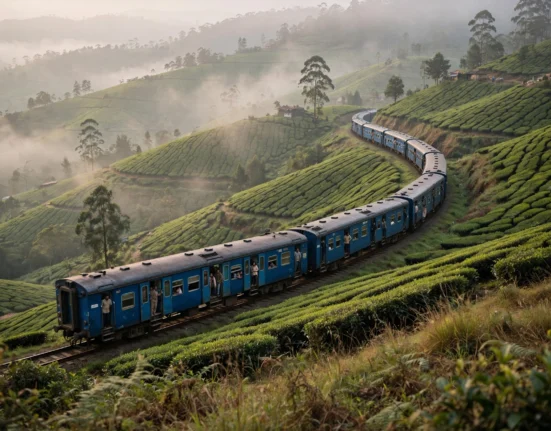
- Share your live location with someone when doing remote hikes, like Ella’s Little Adam’s Peak or the Adam’s Peak pilgrimage trail. These trails are genuinely safe, but under-trafficked at odd hours, and it costs nothing to have a safety net.
- Trust reviews written specifically by other solo women over general accommodation reviews. They flag different concerns — things like whether staff are respectful of boundaries, whether the neighborhood feels comfortable after dark — that don’t always show up in a generic five-star rating.
3 Things to Avoid as a Solo Female Traveler in Sri Lanka
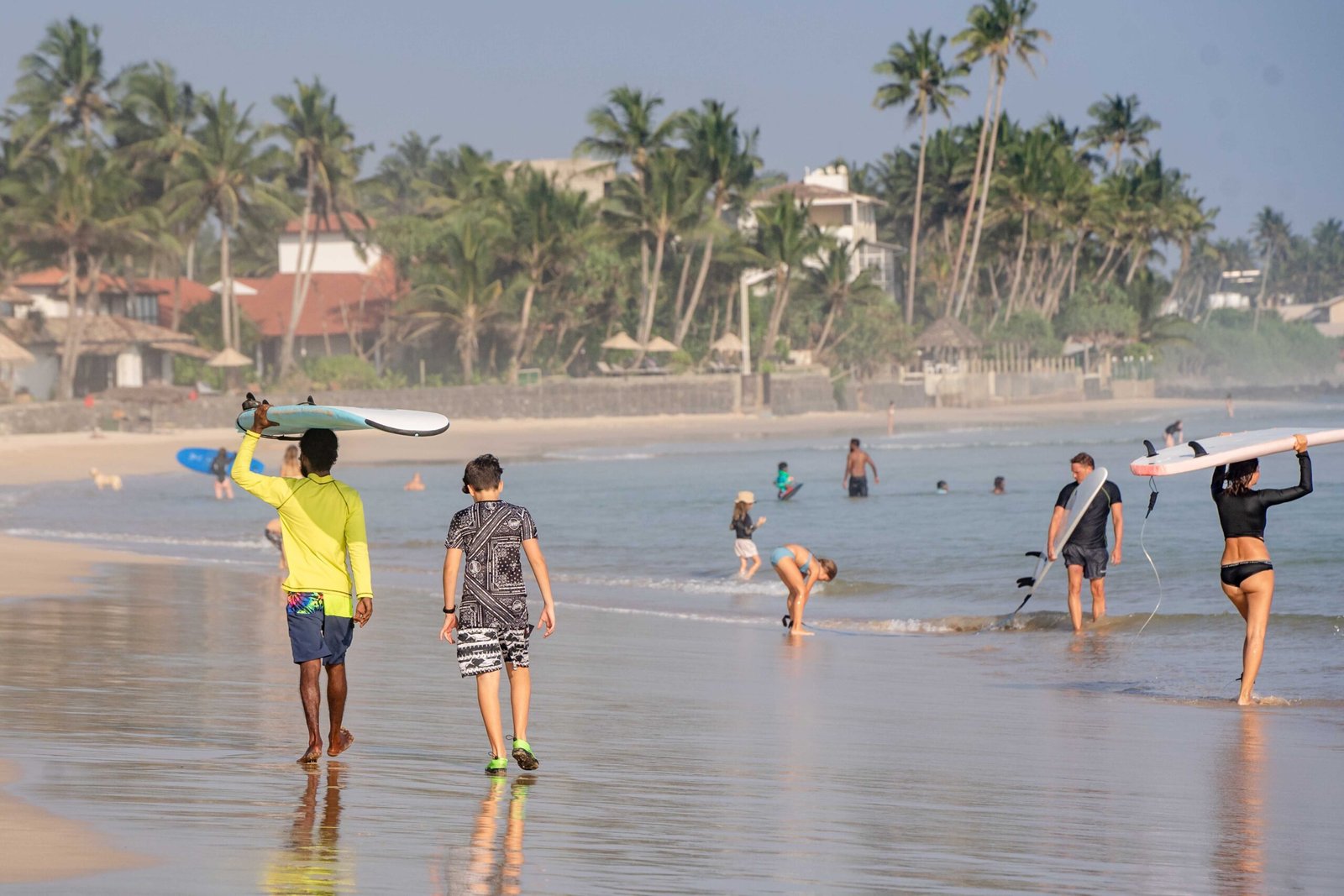
- Walking alone on beaches after dark in less touristy towns. This isn’t about crime statistics — it’s that these stretches are genuinely unlit and isolated, and there’s no practical upside to testing that at 10pm.
- Accepting unsolicited “guide” offers at major sites without agreeing a price upfront. The offer itself is usually harmless, but the ambiguity around cost afterward is where things get uncomfortable.
- Assuming all guesthouses are equally solo-woman-friendly. A quick message beforehand asking whether they’ve hosted other solo female guests filters this fast, and most owners will answer honestly.
Best Time to Visit vs. Budget Required
| Region | Best Season for Solo Travel | Daily Budget (guesthouse-level) |
| Hill Country (Ella, Nuwara Eliya) | Jan–Mar | $25–40/day |
| South Coast (Mirissa, Galle) | Dec–Mar | $30–50/day |
| Cultural Triangle (Sigiriya, Kandy) | Jan–Apr | $25–45/day |
The good news for solo travelers specifically: Sri Lanka’s guesthouse culture is built around exactly this kind of small-group, personal hospitality, which tends to work in favor of solo women rather than against them — you’re rarely anonymous, and hosts generally take a quiet, informal interest in where their guests are headed each day.
From the Field
In Ella, I stayed at a small guesthouse run solo by a woman who’d taken over the property after her husband passed away. Nobody had asked her to look out for the female guests specifically — she just did, in a way that was easy to miss if you weren’t paying attention. Tea would appear outside doors before early sunrise hikes, timed almost exactly right without ever being requested. She’d mention, in passing and without any drama, which trails “felt different” after dark, phrased less as a warning and more as a simple observation from someone who’d lived there her whole life.
It wasn’t dramatic. It wasn’t a formal safety briefing. It was just quiet, consistent attentiveness, the kind that exists in an informal network of guesthouse owners across the country who’ve been looking out for solo travelers long before anyone thought to write a blog post about it. That reframed the whole “is it safe” question for me — the answer isn’t really about statistics. It’s about the quiet hospitality infrastructure that’s already in place, if you know how to lean into it.