Every time I mention I’m headed to Dubai, I get the same reaction: a slight wince, followed by “isn’t that insanely expensive?” I understand where it comes from. The skyline does the talking before you even land — gold vending machines, seven-star hotels, a fountain show set to orchestral music in front of the world’s tallest building. It’s easy to assume the whole city runs on that budget.
It doesn’t. What I found, after a week of deliberately doing Dubai the cheap way, is that the city’s reputation is mostly a marketing artifact of its skyline, not a reflection of what it actually costs to visit. There’s a whole parallel Dubai running underneath the postcard version — spotless public buses, a metro system that beats most European capitals on cleanliness and price, and street food stalls in Deira that rival any Michelin write-up for flavor per dollar. You just have to know where to look, and more importantly, where not to look.
What Dubai Actually Costs — Broken Down
I tracked spending across three tiers during my trip, and the gap between “budget” and “luxury” Dubai is bigger than in almost any other city I’ve visited. Here’s how it breaks down:
| Category | Budget Traveler | Mid-Range | Luxury |
| Accommodation (per night) | AED 80–150 (hostel/budget hotel, Deira/Bur Dubai) | AED 300–600 | AED 1,200+ |
| Food (per day) | AED 40–60 (local eateries, shawarma stalls) | AED 150–250 | AED 400+ |
| Transport | AED 20–30 (Nol card, metro/bus) | AED 100 (occasional taxi) | AED 300+ (private driver) |
| Best time to visit vs. budget required | Nov–Mar = higher prices, best weather | Apr/Oct = shoulder, better value | May–Sep = cheapest, extreme heat |
The takeaway that surprised me most: the single biggest budget lever isn’t food or transport, it’s when you go. Shifting your trip to April or October instead of the December peak can knock 30–40% off accommodation costs without sacrificing much in terms of weather.
3 Things to Avoid in Dubai (If You’re on a Budget)
- Booking hotels in Downtown or Marina without checking metro proximity. These areas are photographed beautifully, but if your hotel isn’t within a 10-minute walk of a metro station, you’ll pay the difference back in taxis within two days.
- Eating at mall food courts every single day. They’re convenient and air-conditioned, but they’re also priced for tourists who don’t know better. The best, cheapest food in Dubai is in Deira and Karama, not the malls.
- Assuming every attraction requires a paid ticket. A surprising number of Dubai’s signature experiences are free or nearly free — more on that below.
Free and Nearly-Free Things That Don’t Feel Like Consolation Prizes
This is where Dubai quietly redeems itself. None of these felt like the “budget version” of the real experience — they were the real experience:
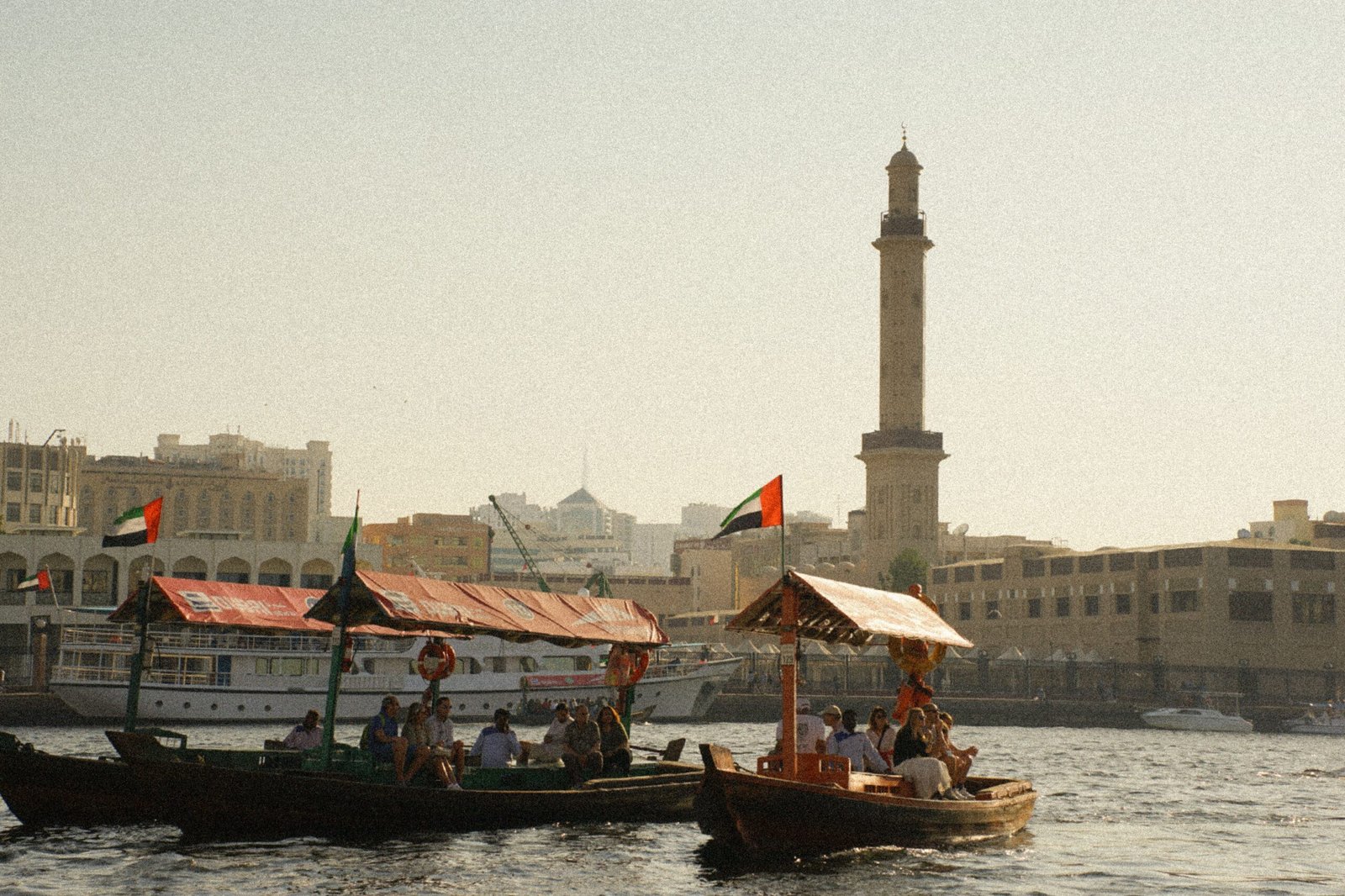
- The abra crossing across Dubai Creek — a traditional wooden boat ferry that costs less than a dollar and gives you a better view of old Dubai than most paid boat tours.
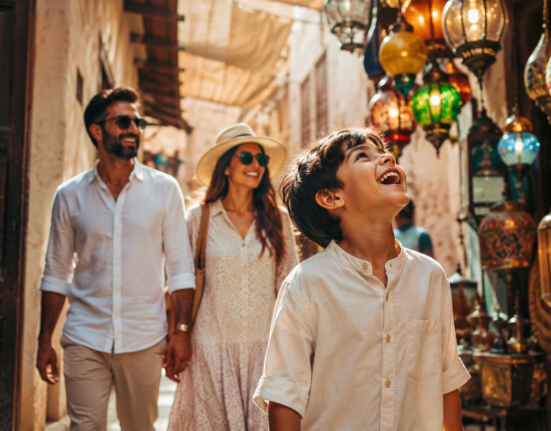
- The Gold and Spice Souks — walkable, free, and genuinely photogenic without needing an entry fee.
- Sunset at Kite Beach — with the Burj Al Arab as your backdrop, and not a single dirham spent.
- The Dubai Fountain show — the choreographed water-and-light performance in front of the Burj Khalifa runs multiple times an evening, completely free to watch from the boardwalk.
- The Dubai Frame’s outdoor plaza — you can appreciate the structure and the skyline views around it without paying for the observation deck ticket.
From the Field
On my second morning, I took the abra across Dubai Creek mostly because it was cheaper than a taxi, not because I expected much from it. The captain was an older Emirati man who’d clearly been running this same short crossing for decades — his hands moved on the tiller without him even looking at them. Somewhere in the middle of the water, without me asking, he started pointing at buildings along the bank, telling me which ones used to be pearl-diving warehouses before the skyline existed. He wasn’t performing for tips; he just seemed to want someone to know that this creek used to be the entire economy of the city, long before oil or glass towers entered the picture.
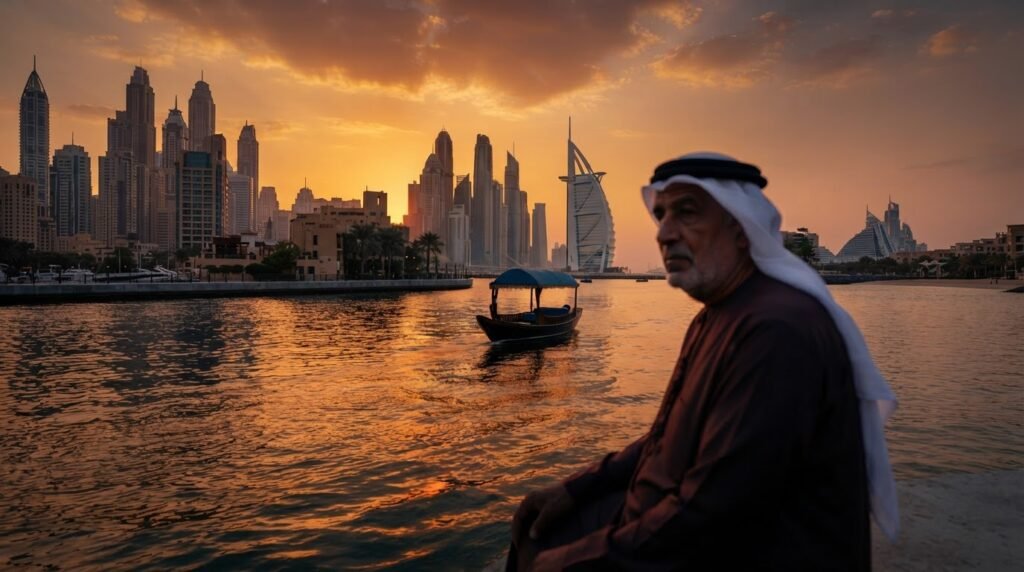
That five-minute conversation did more to humanize Dubai for me than anything in the Burj Khalifa observation deck could have. It’s a reminder that the city’s soul isn’t hiding — it’s sitting quietly under the spectacle, waiting for anyone willing to take the slow, cheap way across the water instead of the fast, expensive one.